Trump has shifted from bombing to economic warfare. Scott Bessent's next moves could determine whether Tehran finally accepts defeat.
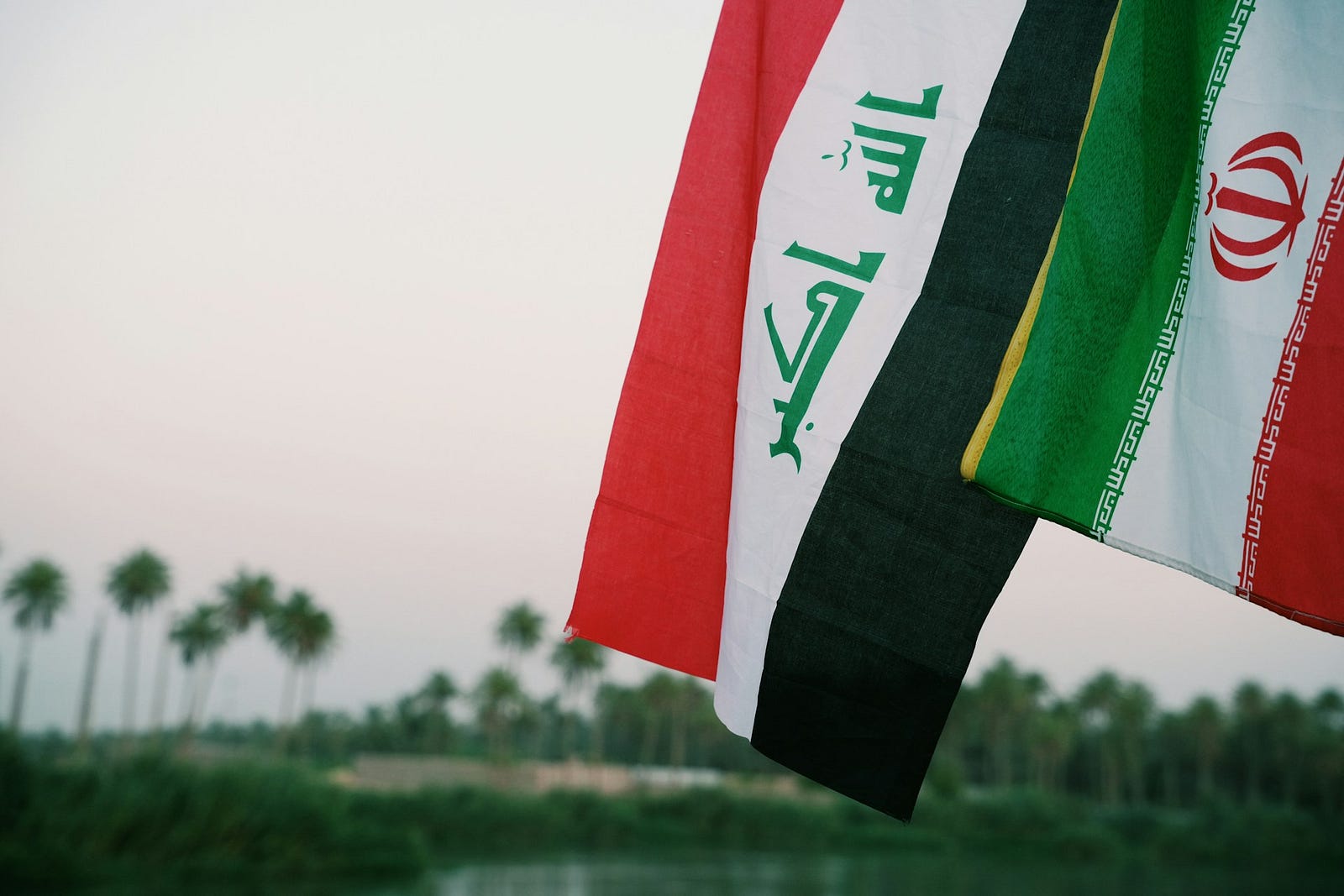
Nearly six months into the Iran war, the conflict has entered a strange but potentially decisive phase. Large-scale American bombing has slowed, diplomatic talks have stalled and the Strait of Hormuz remains severely disrupted. Yet the absence of a formal peace agreement should not be confused with a lack of progress.
The United States holds the stronger military position. Iran’s nuclear, missile, naval and command infrastructure has been badly damaged. Its proxy network has been weakened, while neither Russia nor China has shown any willingness to confront America directly on Tehran’s behalf. Iran can still disrupt shipping and launch missiles or drones, but it has little prospect of reversing its losses.
President Donald Trump is now attempting to convert that military advantage into a political settlement without invading Iran or committing the United States to an indefinite bombing campaign. Treasury Secretary Scott Bessent may be the central figure in this next stage.
Bessent said Thursday that the administration would soon announce economic measures unlike anything previously seen in “the history of economic isolation on a country.” The language is characteristically dramatic, and the details have not yet been released. But the underlying strategy is already visible.
The administration is combining a naval blockade of Iranian ports with Operation Economic Fury, a Treasury campaign targeting the financial machinery that keeps the Islamic Republic functioning. American sanctions have hit Iran’s shadow oil fleet, front companies, weapons-procurement networks, cryptocurrency exchanges and foreign intermediaries. Treasury says it has disrupted billions of dollars in projected oil revenue and frozen nearly $500 million in regime-linked cryptocurrency.
The next measures could be far more consequential. China purchases most of the oil Iran manages to export. Bessent may target the Chinese refiners, banks, currency exchanges and shipping companies that process those transactions. The message would be simple: Institutions helping Iran finance its war could lose access to dollars and the American financial system.
This is potentially much more powerful than sanctioning another collection of Iranian officials. A large foreign bank will generally value access to American markets more than its Iranian business. Even a small number of prominent designations could frighten hundreds of institutions into refusing anything remotely connected to Tehran.
The administration may also target Iran’s remaining air and land trade. With its ports blockaded, Iran has become more dependent on neighboring countries, aviation networks and informal exchange houses. Washington has leverage over many of those governments through trade, military cooperation and access to American finance. Completely sealing Iran’s long, mountainous border would be impossible, but Tehran does not need to be hermetically sealed for the pressure to become intolerable.
Iran’s economy is already in terrible condition. The International Monetary Fund projects a 5.4% contraction this year and inflation approaching 70%. The rial has collapsed, businesses are dismissing workers and some Iranians are purchasing groceries on installment plans. Oil exports — Tehran’s principal source of hard currency — have fallen dramatically.
The regime can probably prevent immediate collapse through rationing, price controls and repression. It has survived sanctions before. But previous sanctions never operated alongside this combination of destroyed infrastructure, restricted maritime trade and aggressive financial tracking.
Iran’s answer has been to keep Hormuz largely closed, threaten shipping and wait for Americans to lose patience. Tehran hopes higher fuel prices and war fatigue will force Trump to compromise, particularly with the midterm elections approaching.
That strategy carries enormous risks for Iran. Every attack on a commercial vessel alienates another regional government. A serious strike against American personnel could restart the bombing campaign under circumstances overwhelmingly favorable to the United States. Meanwhile, every additional week of blockade drains Iran’s reserves, weakens its currency and makes rebuilding more difficult.
The coming days will therefore be important. Treasury is expected to reveal Bessent’s new measures. Banks and refiners in China will have to decide whether Iranian oil is worth the risk. Iran may respond with another carefully calibrated shipping attack, hoping to demonstrate that it still possesses leverage without provoking devastating retaliation. Oman, Qatar and other mediators will continue trying to restore negotiations.
Trump should pair the pressure campaign with a clear exit. Iran must know that verified nuclear restrictions, an end to attacks and the reopening of Hormuz will produce phased economic relief. Any relief should be conditional and reversible if Tehran cheats.
There is no guarantee that economic warfare will compel an authoritarian government to act rationally. Iran’s leaders have repeatedly transferred the consequences of their decisions to their own people. Nevertheless, Bessent has advantages previous sanctions campaigns lacked: military dominance, a working naval blockade and increasingly sophisticated visibility into Iran’s financial networks.
Iran can prolong the conflict. It can make the world uncomfortable and its own population miserable. What it cannot do is restore its former power while America steadily closes its remaining economic escape routes.
Trump does not need Tehran to announce an unconditional surrender. He needs an enforceable agreement that prevents a nuclear weapon, restores commercial shipping and leaves Iran unable to rebuild its machinery of regional aggression. Bessent’s campaign may now provide the leverage necessary to achieve it.
(Contributing writer, Brooke Bell)